Temporary Exhibition : packagings
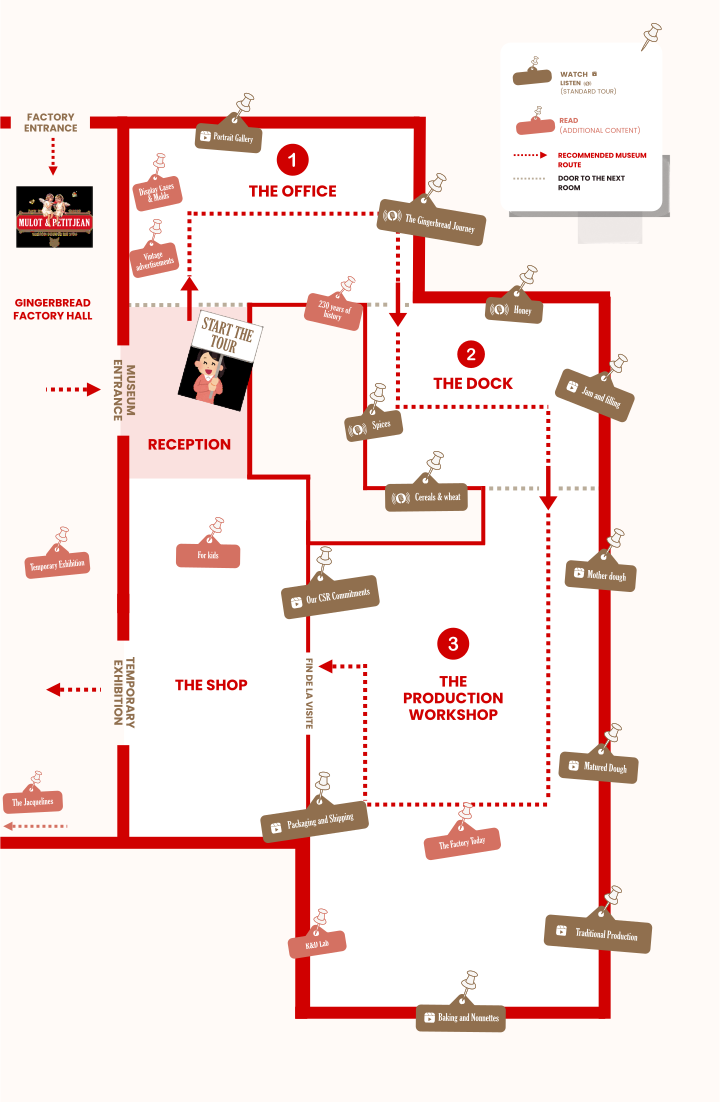
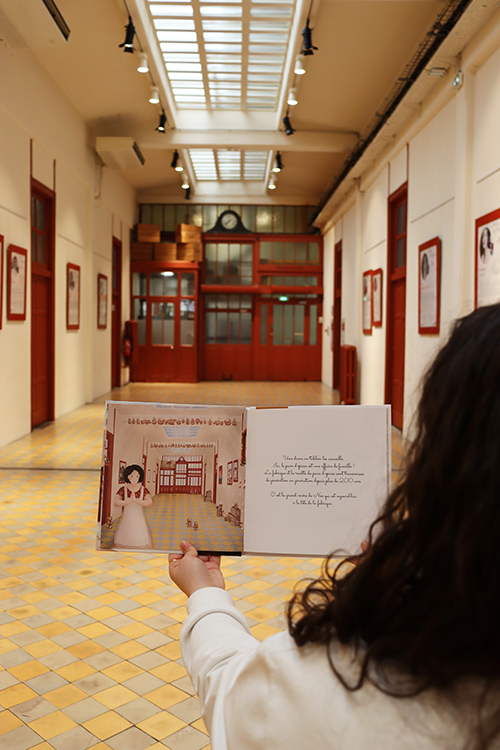
Welcome to the Factory lobby!
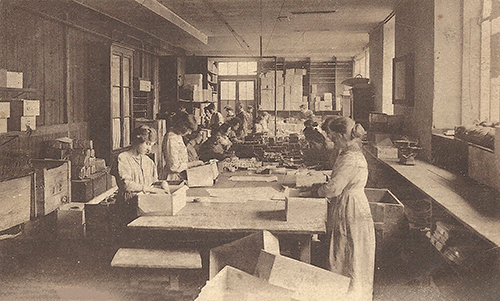
This space was once the storage area for our raw materials.
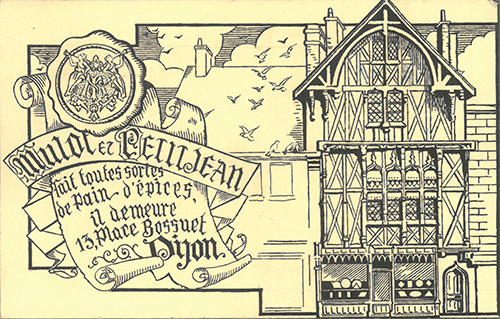
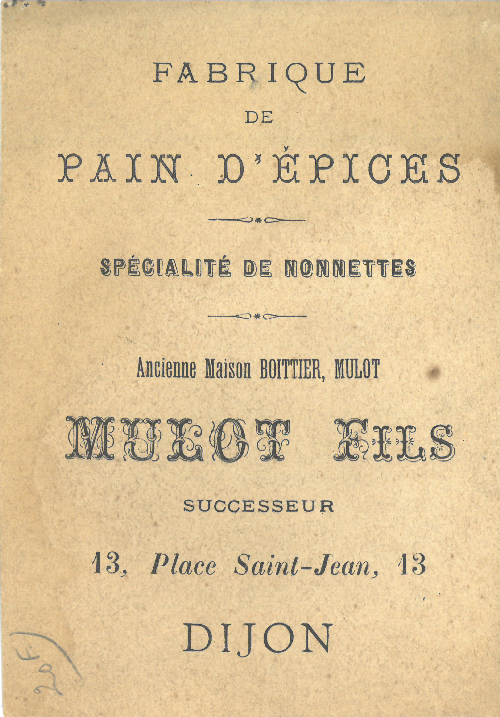
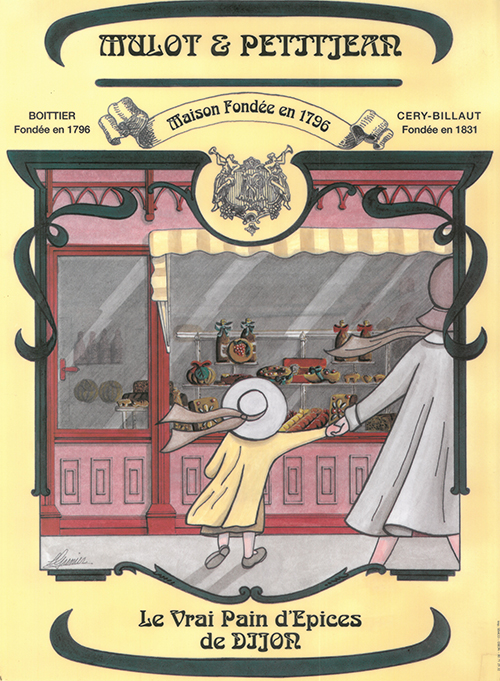
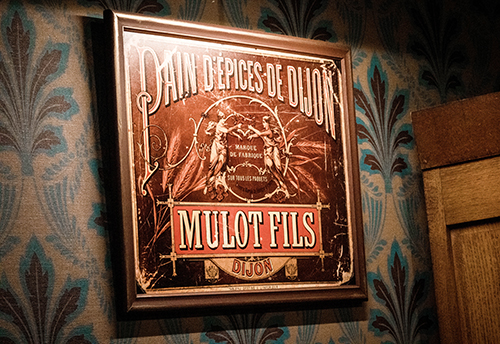
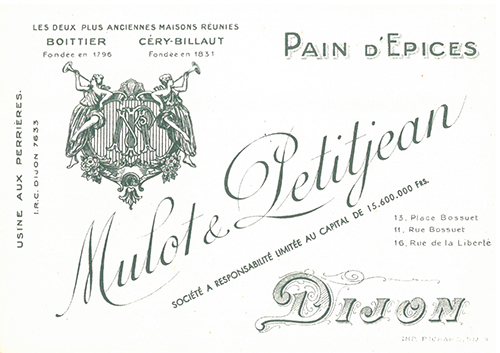
We have currently put up an exhibition there featuring vintage labels and graphics—found on boxes, chromolithographs, or other visual materials—once used by the Mulot & Petitjean firm.
Over the centuries, packaging has become much more than a simple means of protecting the product: it tells a story, conveys a world, and reflects the evolution of tastes and eras.
The early days of packaging: protecting, informing, then enticing
In the early 18th century, packaging served primarily a practical function: protecting, transporting, and preserving products.
Gradually, it also became a tool for differentiation, making it possible to identify a brand and inform the buyer. In the 19th century, with the rise of department stores and consumer society, packaging evolved: boxes made of wood, paper, or cardboard gradually replaced the sale of goods in bulk and became objects that reflected the tastes and fashions of their time.
Boxes: from simple container to precious object
In the 19th century, the boxes became genuine decorative objects, adorned with gold lettering, emblems, or refined illustrations. They no longer serve merely to protect the product: they tell the story of a house.
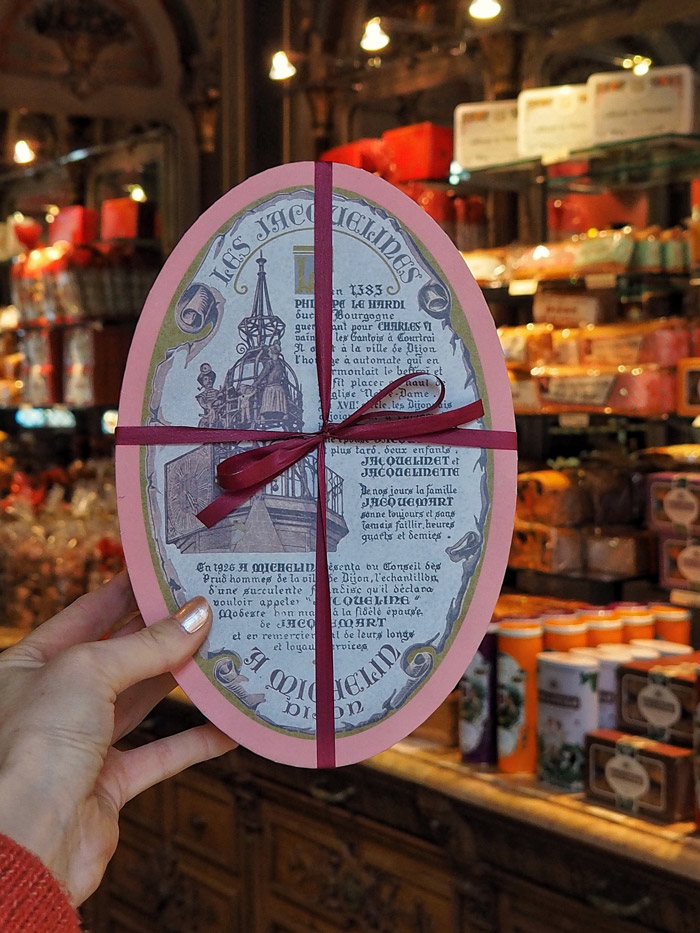
At Mulot & Petitjean, certain vintage visuals continue to inspire our current packaging. Once kept and reused in households, these boxes have become true family keepsakes.
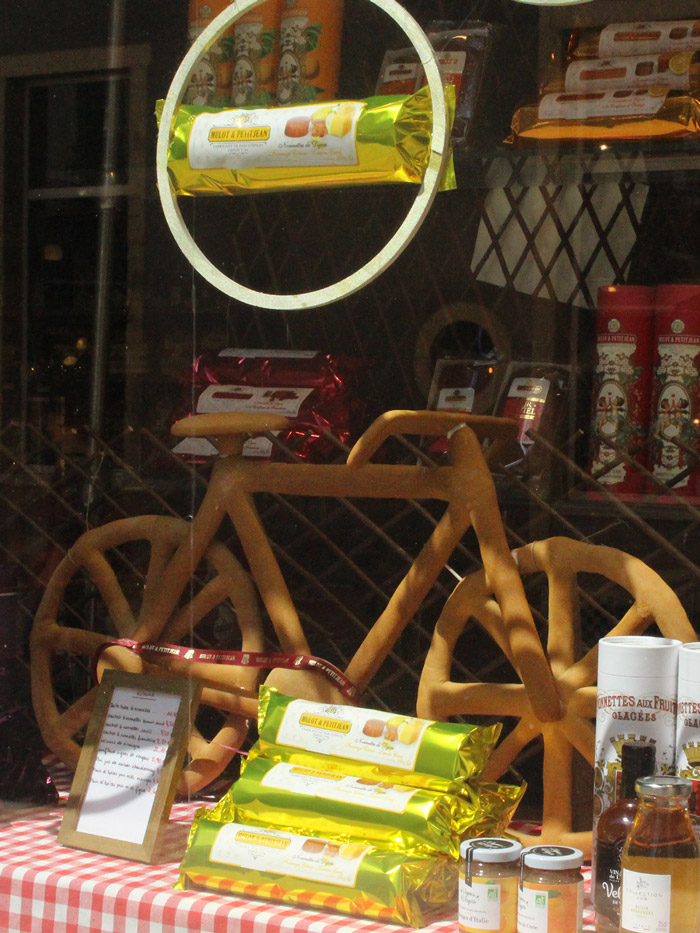
Have fun exploring the different styles of boxes in our shop!
At Mulot & Petitjean, we continue to draw inspiration from this graphic heritage by revisiting iconic elements of our identity—such as angels, fruit, flowers, and vintage decorative motifs.
Some historical packaging and trade cards have even been preserved almost exactly as they were—such as the famous gingerbread strips and half-strips, which have become true hallmarks of the House.
The beginnings of advertising
In the mid-19th century, advertising experienced a real boom in France. New means of communication are emerging: illustrated posters, newspaper advertisements (as you saw in the Office).
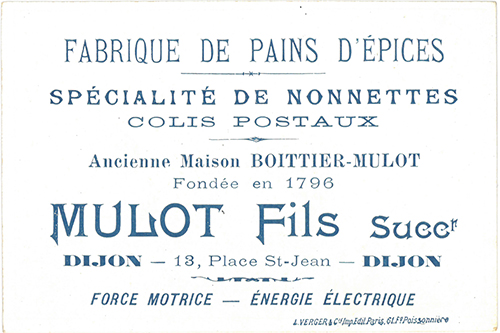
Shopkeepers also distribute small, colorful advertising cards known as *chromos*.
Chromolithography: a revolutionary printing technique
Chromolithography emerged in the 19th century, making it possible to print in color. Posters, catalogues, advertising cards, and packaging are adorned with brilliantly colored images: figures and decorative patterns. These images enhance the product and make it easier for the customer to recognize their favorite brand.
Chromos: collectible images
Chromos enjoyed great success, particularly among children who had fun collecting them. They can depict humorous scenes, tales, games, animals, landscapes, events linked to the seasons and festivals, and major historical events.
Today, these small images have become genuine collector’s items, sought after by enthusiasts at garage sales and flea markets.
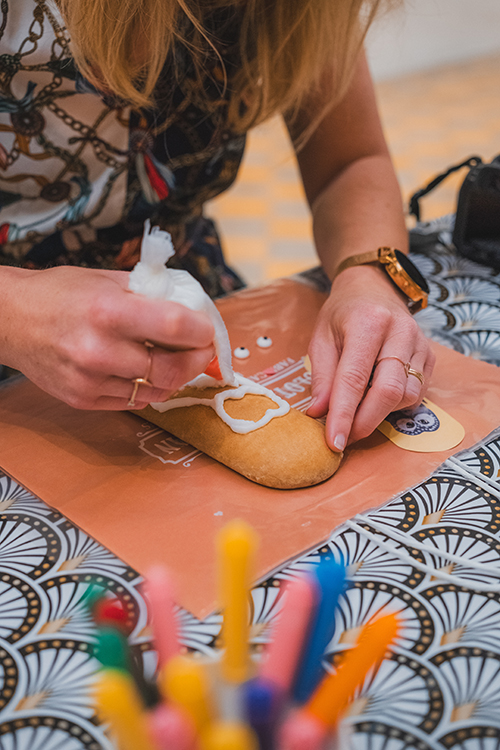
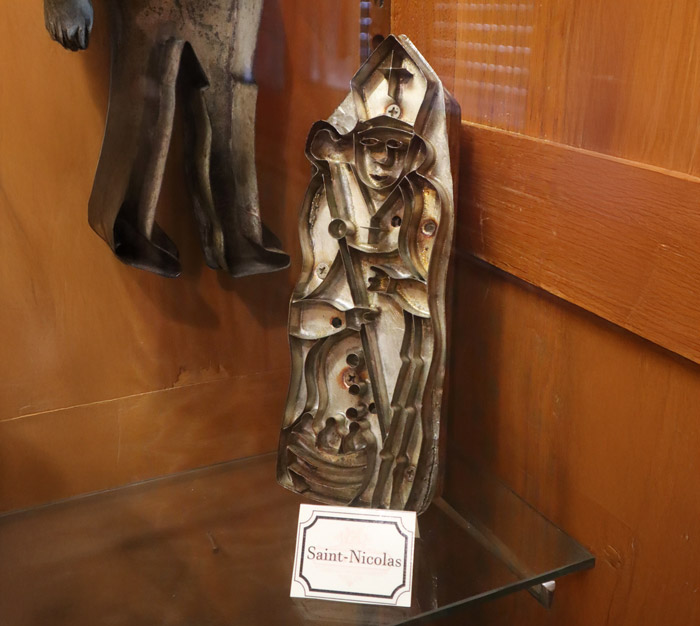
In the shop, you can see several gingerbreads featuring a decorative picture: the owl, the field mouse, Pompon the bear, and—at the end of the year—Saint Nicholas and Santa Claus!
A closer look at typography
The evolution of packaging also involves the evolution of the lettering used.
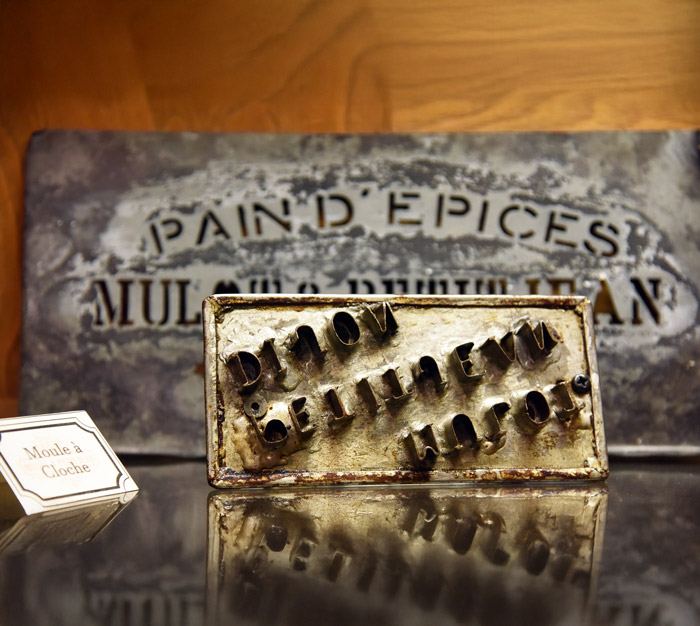
As early as the 19th century, letterpress printing made it possible to reproduce texts and patterns using raised characters that were inked and then pressed onto paper or cardboard.
Every era has its own style:
In the 19th century, Victorian influences favored highly decorative lettering, featuring elaborate ornamentation and intricate serifs.
At the end of the century, Art Nouveau introduced more fluid forms inspired by nature, featuring curved lines and floral motifs.
In the 1920s and 1930s, Art Deco established elegant, modern, geometric forms.
In the mid-20th century, simpler, more streamlined typefaces emerged, associated with an image of modernity and legibility.
Have fun looking at the various Mulot & Petitjean logos; they reflect the evolution of graphic styles and trends over time.